
Health is Wealth
A Guide to Good Nutrition and Well-being
The phrase “health is wealth” is not just a catchy saying; it’s a profound truth that highlights the importance of taking care of our bodies to enjoy a long, vibrant, and fulfilling life. While wealth can buy material goods, it is health that allows us to live life to the fullest. Without a strong, healthy body and mind, even the wealthiest person would struggle to enjoy their success. A cornerstone of maintaining good health is proper nutrition, which fuels our bodies and minds for optimum performance. In this blog, we’ll explore the concept of “health is wealth” and provide tips for adopting good nutrition habits to enrich your life.
Health is Wealth Meaning

Good health allows you to be productive, contribute to society, and enjoy meaningful relationships with your loved ones. It’s important to remember that taking care of your health is not just a short-term goal but a lifelong commitment. This requires an investment in good nutrition, regular exercise, adequate rest, and emotional well-being—all of which contribute to a life rich in experiences and satisfaction.
Health is Wealth Quotes

Here are a few quotes that encapsulate the essence of “health is wealth”:
- “Health is the greatest gift, contentment the greatest wealth, faithfulness the best relationship.” – Buddha
- “To keep the body in good health is a duty… otherwise we shall not be able to keep our mind strong and clear.” – Buddha
- “The first wealth is health.” – Ralph Waldo Emerson
- “It is health that is real wealth and not pieces of gold and silver.” – Mahatma Gandhi
- “Take care of your body. It’s the only place you have to live.” – Jim Rohn
These quotes remind us that prioritising health allows us to achieve true wealth, as it impacts every area of our lives—physical, mental, and emotional.
What is Good Nutrition?

Good nutrition is about providing your body with the nutrients it needs to function optimally. This includes a balance of macronutrients—proteins, fats, and carbohydrates—and micronutrients, such as vitamins and minerals. Eating a balanced diet ensures that you get the right nutrients for energy, growth, and cellular repair, as well as for the prevention of chronic diseases such as heart disease, diabetes, and obesity.
Good nutrition also means avoiding harmful substances such as excessive sugar, salt, and processed foods. It’s not about strict limitations or depriving yourself of foods you love, but about finding a balance that nourishes your body and helps you feel your best.
Optimum Nutrition
Optimum nutrition goes beyond just eating a healthy diet; it’s about consuming the highest quality nutrients to meet your individual needs. This can mean making specific choices based on your lifestyle, health status, or fitness goals. Optimum nutrition promotes longevity, vitality, and mental clarity, ensuring that you perform at your best in every area of your life.
8 Tips for Healthy Eating
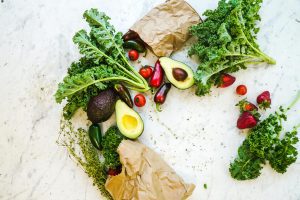
Healthy eating can seem overwhelming with all the diet trends and conflicting advice out there. But at its core, healthy eating is simple and practical. Here are eight tips to guide you toward a better relationship with food and better overall health:
1. Eat a Variety of Foods
Your body needs over 40 different nutrients, and no single food can supply all of them. Make sure to include a variety of fruits, vegetables, whole grains, proteins, and healthy fats in your diet to meet your nutritional needs.
2. Control Portion Sizes
It’s not just about what you eat, but how much you eat. Overeating, even healthy foods, can lead to weight gain and health issues. Use smaller plates, serve yourself smaller portions, and listen to your body’s hunger and fullness cues.
3. Prioritise Whole Foods
Whole, unprocessed foods such as fruits, vegetables, nuts, seeds, and whole grains provide essential nutrients and are lower in unhealthy fats, sugars, and sodium compared to processed foods.
4. Limit Sugar Intake
Excessive sugar intake can lead to weight gain, diabetes, and other health problems. Read food labels and avoid sugary beverages and snacks. Opt for natural sweeteners like honey or fruit if you need to satisfy your sweet tooth.
5. Stay Hydrated
Water is essential for every function in your body, from digestion to cognitive function. Aim to drink 6-8 glasses of water per day, and more if you’re physically active.
6. Don’t Skip Meals
Skipping meals can lead to overeating later in the day. Instead, aim for three balanced meals and one or two healthy snacks to keep your energy levels steady and prevent extreme hunger.
7. Choose Healthy Fats
Not all fats are bad! Healthy fats, like those found in avocados, nuts, and olive oil, are essential for brain health and help reduce inflammation in the body. Try to limit unhealthy trans fats found in processed foods and fried items.
8. Practice Mindful Eating
Take time to enjoy your meals. Pay attention to the flavours, textures, and how your body feels as you eat. Mindful eating can help you develop a better relationship with food and prevent overeating.
Importance of Good Nutrition and Hydration in the Elderly
As we age, the importance of good nutrition and hydration becomes even more critical. The elderly often face unique challenges such as reduced appetite, difficulty chewing or swallowing, or chronic health conditions that require specific dietary considerations. Ensuring proper nutrition and hydration is essential for maintaining physical strength, cognitive function, and overall quality of life in older adults.
Nutritional Needs of the Elderly
Older adults need fewer calories but the same or even more nutrients than when they were younger. This makes it crucial to focus on nutrient-dense foods that provide plenty of vitamins, minerals, and antioxidants without adding excess calories.
Protein becomes increasingly important for maintaining muscle mass, and calcium and vitamin D are essential for bone health. Iron-rich foods help prevent anaemia, while fibre-rich foods support digestive health.
Hydration for the Elderly
Dehydration is a common issue among the elderly, as the sensation of thirst tends to diminish with age. Staying hydrated is vital for preventing urinary tract infections, kidney stones, and even confusion or fatigue. Encourage the elderly to drink water regularly and include water-rich foods such as fruits, vegetables, and soups in their diet.
Health is Wealth

The phrase “health is wealth” rings truer today than ever before. By investing in good nutrition and taking care of our bodies, we can ensure that we live long, vibrant lives filled with energy, purpose, and joy. Remember that health is not just about preventing illness; it’s about creating a lifestyle that allows you to feel your best every day.
By focusing on optimum nutrition, staying hydrated, and making mindful choices about what we eat, we can nourish our bodies from the inside out. Whether you’re young or old, these habits can lead to a better quality of life and help you fully embrace the truth that health is wealth.